Anesthesia

IV Sedation
General Anesthesia

General anesthesia is a medically induced state of unconsciousness, often administered via IV or inhalation, making you completely unaware of the surgery. It is typically reserved for complex, lengthy procedures (like corrective jaw surgery or major bone grafts) or for patients with extreme dental anxiety.
A specialized anesthesiologist or qualified oral surgeon closely monitors your vital signs (heart rate, blood pressure, oxygen) throughout the procedure. 
What to Expect Before and After
  • Preparation: You will need to fast, typically avoiding all food and drink for at least 6 to 8 hours prior to your appointment.
  • Recovery: You will spend time in a recovery area until you are awake. You must arrange for a responsible adult to drive you home and stay with you for the remainder of the day, as your reflexes will be temporarily impaired.
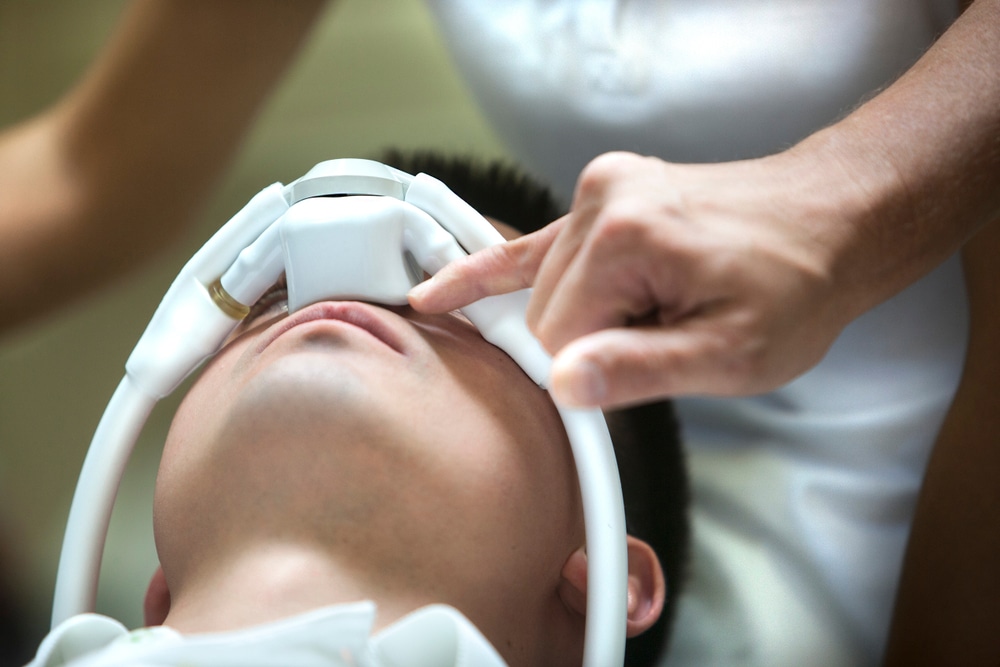
Woman receiving sedation dentistry treatment

Nitrous Oxide-Oxygen

Description:Nitrous oxide (laughing gas) mixed with oxygen is a safe, inhaled sedative used to ease anxiety during oral surgery. Delivered through a comfortable nasal mask, it takes effect in minutes, leaving you relaxed but fully conscious. Because its effects reverse quickly by breathing 100% oxygen, patients can often drive home safely.

Local Anesthesia

Description: The patient maintains consciousness throughout the entire procedure. The anesthetic (in this case; Lidocaine) is given directly to the area where the surgery will be taking place. This type of anesthesia is used in conjunction with other methods of sedation in all oral surgery procedures.

Usual Indications: Simple in-office oral surgery procedures, such as non-complex tooth extractions and minor soft tissue procedures.

Preparing for Surgery

Prior to any surgery, its important to fast. That means no food or water for 8 hours prior to anesthesia.

While this may be difficult, it is very important. If you have any questions, please discuss them with our team.