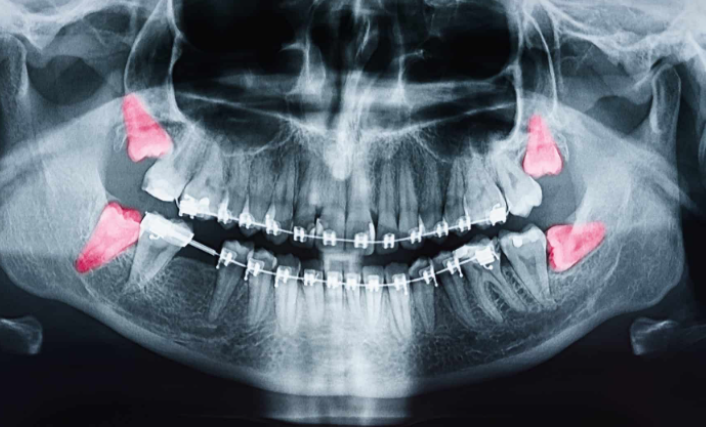
What Is a Tooth Extraction?
A tooth extraction is the removal of a tooth from its socket in the jawbone. While preserving natural teeth is always our priority, extraction may be the best option when a tooth is severely damaged, infected, impacted, or causing problems with your overall oral health.
What to Expect During Your Procedure
Depending on your specific needs, your procedure may involve removing a single tooth or multiple teeth.
Before treatment, we will review your medical history and discuss anesthesia options to ensure your comfort. Depending on the complexity of the extraction, treatment may be performed using:
- Local anesthesia to numb the area
- Nitrous oxide (laughing gas)
- IV sedation
- General anesthesia when appropriate
For a simple extraction, the tooth is gently loosened and removed. For more complex cases, such as impacted wisdom teeth, a small incision may be made in the gum tissue and a portion of surrounding bone may be removed to safely access the tooth. In some situations, the tooth may be divided into smaller sections for easier removal.
After the tooth is removed, the area is cleaned thoroughly, and sutures (stitches) may be placed to promote healing. A gauze dressing will be applied to help control bleeding and encourage clot formation.
Why Might a Tooth Need to Be Removed?
A tooth extraction may be recommended for:
- Severe tooth decay or damage
- Advanced infection or dental abscess
- Impacted wisdom teeth
- Overcrowding before orthodontic treatment
- Advanced gum disease
- Fractured teeth that cannot be restored
- Teeth damaged by trauma or injury